

The Role of Sound and Music
One of the most intriguing aspects of casino games is how sound and music play a pivotal role in creating an immersive atmosphere. The rhythmic jingles and upbeat tunes often associated with slot machines are carefully designed to invoke happiness and excitement. When players hear these sounds, they experience enhanced emotional responses, which can lead to prolonged gameplay at an instant withdrawal casino that keeps them engaged. This strategic auditory stimulation effectively manipulates players’ psychological states, encouraging them to keep playing in hopes of winning more.
Moreover, the use of sound effects is not limited to positive reinforcement alone. Subtle sound cues are also employed during losses, which can create a false sense of anticipation. This technique taps into the brain’s reward system, making players believe that a win is just around the corner. As a result, even when individuals experience losses, the game continues to engage them, pushing them to invest more time and money. Such carefully curated audio cues can significantly influence a player’s decisions in the heat of the moment.
Research has shown that specific frequencies and musical patterns can affect players’ betting behaviors. For example, faster tempo music may encourage higher risk-taking, as the energetic beats can elevate adrenaline levels. Consequently, this auditory manipulation directly influences players to make bets they might otherwise reconsider, exploring the fine line between thrill and impulse. By understanding these psychological triggers, casinos enhance the overall gaming experience while subtly guiding player decisions.
The Psychology of Near Misses
Another psychological trick frequently used in casino games is the tactic of near misses. This phenomenon occurs when players almost achieve a win but fall short, such as landing on two out of three matching symbols. Near misses create a powerful illusion of being close to success, which can motivate players to keep playing in hopes of finally hitting the jackpot. This psychological setup plays on the brain’s reward pathways, providing players with a persistent sense of hope and the excitement that they’re just one spin away from victory.
Studies indicate that near misses can reinforce a player’s belief in their skill, even in games of chance. For example, a player who experiences multiple near misses may begin to think that they are improving their odds with each attempt, despite the randomness of outcomes. This cognitive distortion can lead to an escalation of commitment, where players continue to invest money in a game, convinced that their next move will turn their luck around. As such, casinos capitalize on this psychological phenomenon to increase player retention and spending.

Additionally, the near-miss effect allows casinos to maintain a fine balance between rewarding players and keeping them engaged. While the actual probability of winning remains unchanged, the perception of being close to a win can lead to increased time spent at machines or tables. This trick serves to blur the lines between entertainment and gambling, ensuring that players remain invested in their experience, often at the cost of rational decision-making.
The Illusion of Control
Players often fall prey to the illusion of control—a psychological phenomenon where individuals believe that they can influence outcomes in random games. This effect is particularly prevalent in games like blackjack or poker, where players may feel that their strategies or decisions can tip the odds in their favor. Casinos exploit this belief by creating environments that encourage strategic thinking, reinforcing the idea that skill can lead to wins. This can compel players to engage more deeply and to take larger risks.
The illusion of control extends beyond table games to slot machines as well. Many players believe that engaging in specific behaviors, such as pulling the lever or pressing buttons at just the right moment, can influence the outcome. This misguided reliance on perceived control can lead to compulsive behavior, as players think their actions can generate favorable results. Consequently, casinos design these experiences to make players feel empowered, even when the games are purely based on luck.
This psychological trick can have profound implications for gambling addiction. When players believe that they possess some control over random outcomes, they may be less likely to recognize the risks involved. This false sense of mastery can foster a cycle of repeated gambling behavior, leading some individuals to gamble beyond their means. Casinos intentionally cultivate this environment, securing their profits while potentially jeopardizing the financial well-being of players under the impression that they are in command of their gaming experiences.
The Importance of Rewards and Bonuses
Rewards and bonuses serve as another powerful psychological trick in the realm of casino games, designed to entice players and encourage continued participation. By offering promotional bonuses or loyalty rewards, casinos create a sense of value that can significantly enhance the player’s experience. Instant gratification from bonuses can lead to an uptick in engagement, as players feel that they are receiving something tangible in return for their time and money.
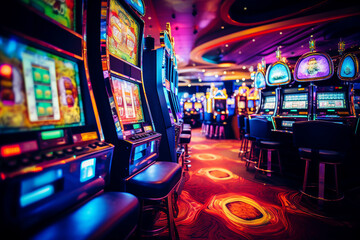
The use of tiered loyalty systems is particularly effective, as players are motivated to reach higher levels for more significant rewards. This concept of gamification taps into players’ competitive spirits and desires for recognition, leading them to invest more in pursuit of those elusive rewards. The more invested they become, the harder it is for them to disengage, creating a cycle of dependency where players feel compelled to chase both the rewards and the associated social status.
Moreover, the psychological impact of rewards isn’t limited to immediate gratification. Players may begin to associate their gambling experiences with positive emotions, creating lasting mental connections that draw them back. This psychological reinforcement of the gambling habit can lead to more significant expenditures over time, ultimately benefiting the casino. By understanding the complex dynamics of rewards, casinos maximize their appeal while further embedding gambling into the lifestyles of their patrons.
Understanding Casino Strategies and Player Behavior
For those seeking to navigate the intricate world of casino games and psychological manipulation, understanding these techniques can prove invaluable. Awareness of how casinos utilize sound, near misses, the illusion of control, and rewards can empower players to make more informed decisions. Recognizing the psychological tricks at play can help individuals cultivate a healthier relationship with gambling and prevent harmful behaviors from developing.
Education about these strategies is essential, as it allows players to identify when they may be falling into psychological traps. This awareness can lead to more mindful gaming experiences, enabling players to set limits and approach gambling as a form of entertainment rather than a means of escape. In doing so, players can maintain control and enjoy the thrill of casino games without losing sight of their financial and emotional well-being.
As players become more informed about these psychological tricks, the gaming industry may find itself adjusting its approaches to maintain engagement. Ultimately, a balance must be struck where casinos can thrive while ensuring that players have a positive and sustainable gambling experience. Through responsibility and education, the landscape of gaming can evolve to foster healthier habits among those who choose to indulge in casino games.